29 Dead Pets Dumped in Bulacan: A Pet Cremation Scam?
Dr. Geoff Carullo, DVM, FPCCP, DPCVSCA
- News
- 3 min read

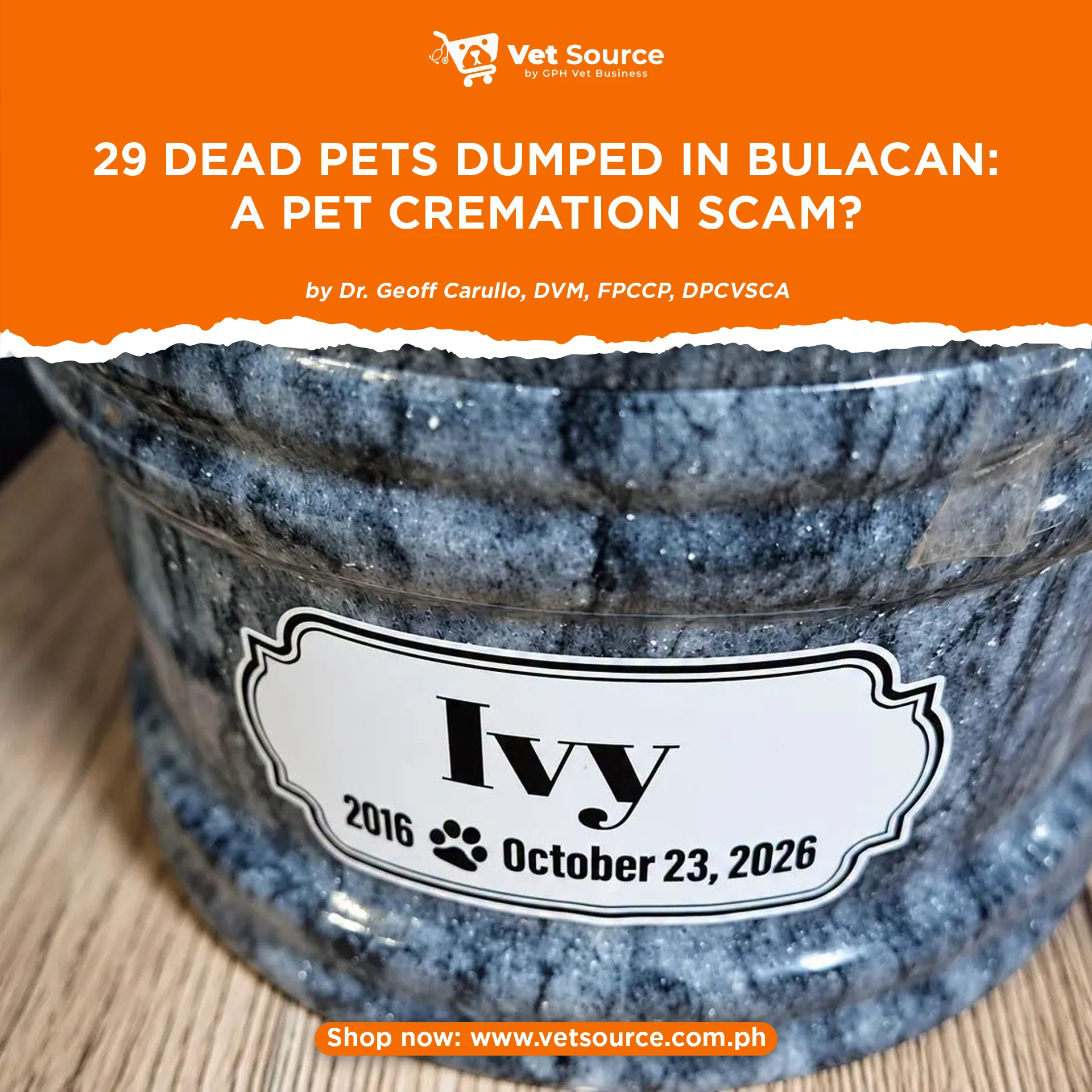
Imagine paying for your pet’s cremation, receiving an urn containing what you believe are your pet’s ashes, only to discover that your beloved companion’s body may have been dumped in a vacant lot.
This is the disturbing controversy surrounding the discovery of 29 deceased animals—26 dogs and three cats—in San Jose del Monte, Bulacan.
One grieving family reportedly recognized their dog, Ivy, among the remains, despite having already paid for cremation services and received an urn.
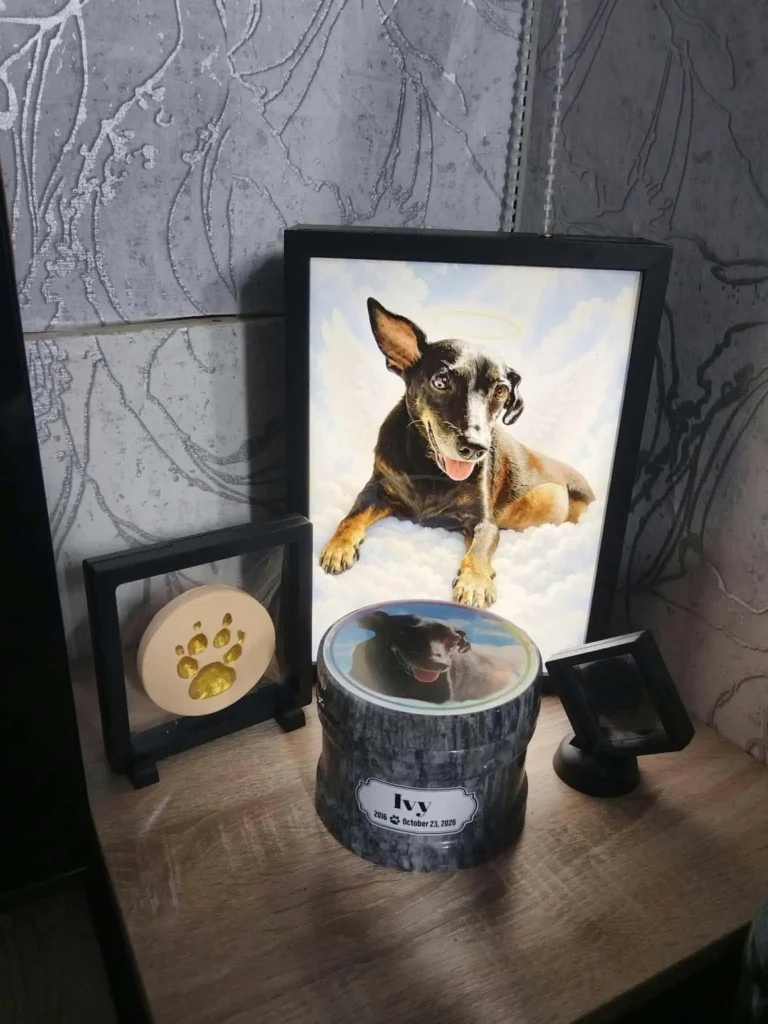
If Ivy was never cremated, whose ashes were given to the family?
Reports have raised questions about a pet cremation provider in Bacoor, Cavite. However, responsibility for the incident remains under investigation, and it has not been established that all 29 animals were cremation clients.
1. ESTAFA — Article 315, Revised Penal Code
If a crematorium knowingly collected payments through fraudulent representations without intending to perform the promised cremation services, criminal charges for estafa may be considered.
However, intentional deception and the other elements of the offense must be proven.
2. ILLEGAL DUMPING
San Jose del Monte City Ordinance No. 2020-048-09 prohibits dumping dead animal carcasses in public and open spaces, private properties, and waterways.
Those responsible may face penalties under the ordinance.
3. CIVIL DAMAGES
Affected pet owners may seek refunds and appropriate damages under the Civil Code, including moral damages when legally justified.
4. CONSUMER PROTECTION VIOLATIONS
Republic Act No. 7394 prohibits deceptive practices involving consumer services. Misrepresenting a cremation service could potentially violate consumer protection laws.
Many pet owners arrange cremation through veterinary clinics. They trust the providers we recommend.
This incident should encourage veterinary establishments to verify crematorium permits, inspect facilities, and establish proper documentation and chain-of-custody procedures.
We should consider implementing our own accreditation and monitoring standards for pet aftercare providers.
Who collected the animals? Who dumped them? Were the promised cremations ever performed?
And most importantly, what was actually inside the urns given to grieving families?
As we observe Undas, this controversy reminds us that our responsibility to animals does not necessarily end when they die.
If these allegations are proven, this is not merely a failed business transaction. It is a betrayal of grieving families who paid for dignity and received deception instead.
The allegations remain subject to investigation. Criminal and civil liability must be established through due process.
Dr. Geoff Carullo is a Fellow and the current President of the Philippine College of Canine Practitioners.
Sharing this helps others understand what it really means to be a vet. Like and follow if you’re with us.